Looking for cybersecurity services and tools to protect your business from digital threats? We provide Vulnerability Assessment & Penetration Testing (VAPT) tools, External Attack Surface Management (EASM) solutions, and real-time threat intelligence feeds. Our services include black box testing, threat exposure monitoring, CVE research, bot and payload analysis, takedown services, and digital risk management.Stay ahead of cybercriminals with IOC/IOA feeds, malware analysis, exploit detection, and proactive security insights. Whether you're searching for penetration testing, dark web monitoring, or cybersecurity consulting, we deliver actionable intelligence to safeguard your digital assets. Your Valued Partner in IT Trends and Cyber Security
A lot of cyber security awareness campaigns have been conducted and a lot of stress has been put on the fact that Default Passwords set by the vendor should be changed once the product is in your possession.
Big companies and institutions do make sure that their IT infrastructure is safe and secure but what about normal users who come home and use their WiFi connections to conduct their business. They pay their ISP’s to provide them the connectivity to the cyber world but what they don't understand is that its a two way process. If you can access something online, then you agree to give them access to you too and to the same extent.
Its the world of INFORMATION people. Your every online activity is being tracked, logged and monitored whether you like it or not. They may not know your name or your address (until now) but whatever you do online is done through your online identity known as The IP ADDRESS. Yes, maybe everybody by now knows that but people still forget the fact that revealing this simple 32-bit number can put their private lives at risk. The next thing you know their identity is for sale on the dark web along with 255 others packaged as a bot net :P .
Well that became too dark too quick.
Lets stay on the topic and let me tell you what an Average person can do with your IP address. At this point you should know that its not your IP rather its your gateways IP ( the router in your case), yes the small box your ISP installed at your house and forgot (intentionally) to change its default credentials.

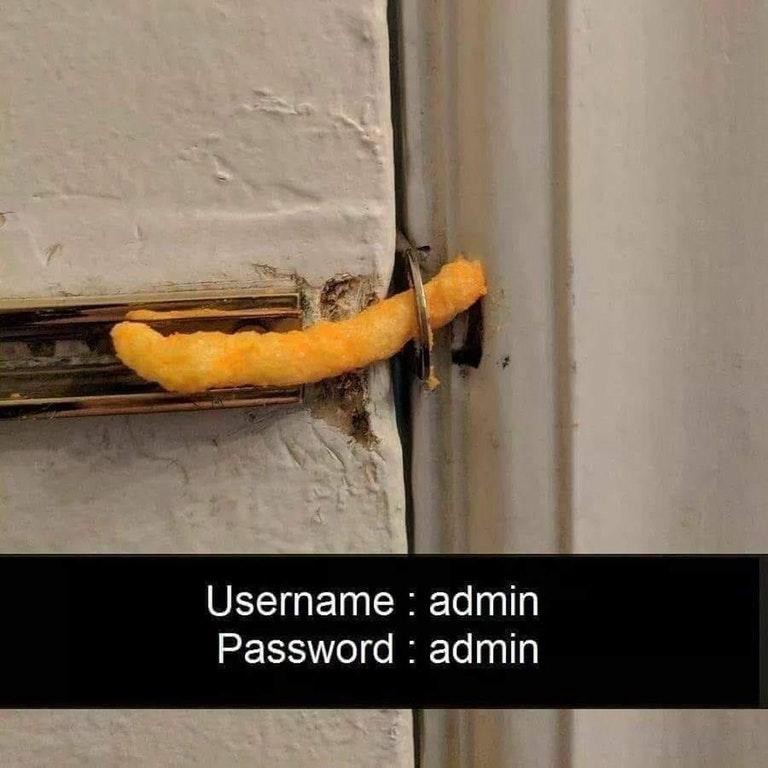
Courtesy: Google Images
Most people would not even know that their router offers a pretty web based management console(where they can configure their WiFi name and password)that is accessible via WAN (From the internet) again by default along with some other not so pretty management services (telnet, ssh etc).
Now if someone on the internet has your IP (Public of course) then all he needs to do is put that IP address in his browser and voila he will be presented with a page similar to this showing your routers model and vendor.
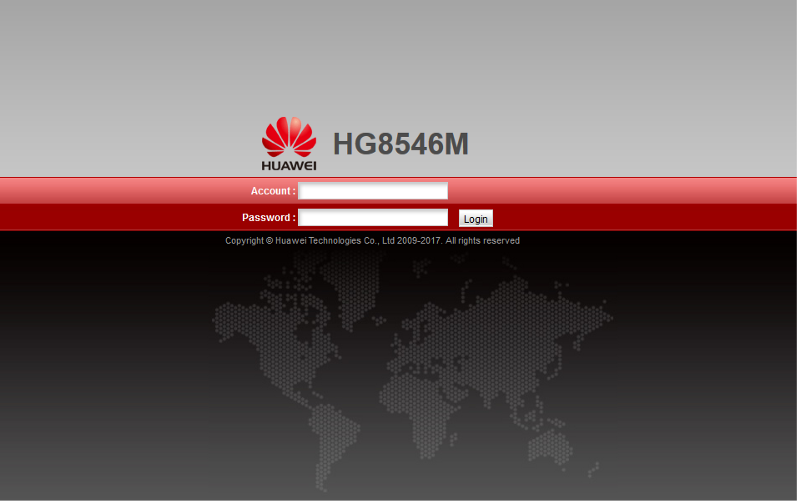
The Web Management Console.
Next step is to ask Google what default username and password does the specific router ship with and google will find it for you in less than a second (literally) from the best online source available.
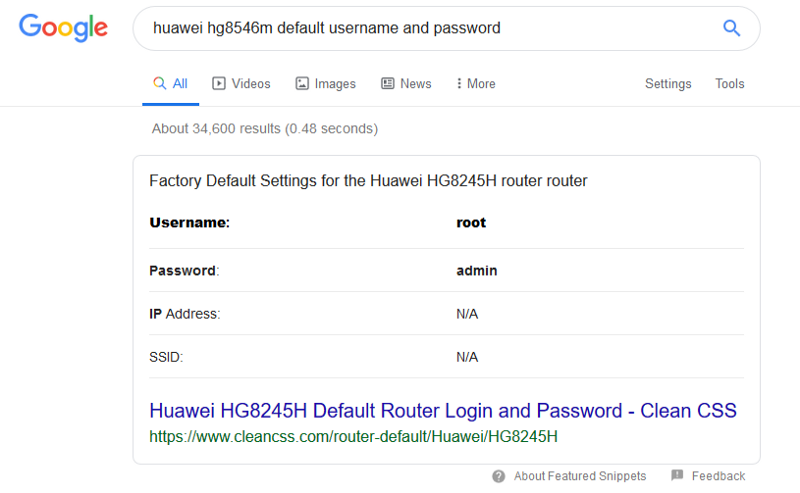
Google Search
In today’s evolving threat landscape, traditional security measures are no longer enough. As cyberattacks become more sophisticated, web application defenses need to be smarter and more adaptive. Enter the Artificial Intelligence-based Web Application Firewall (AI-WAF)—a cutting-edge solution that goes beyond conventional protection to anticipate, detect, and neutralize threats in real time.
Harnessing the power of AI and machine learning, the AI-WAF continuously learns from emerging attack patterns, proactively adapting its defense mechanisms to stay ahead of potential attackers. With this innovative approach, organizations can achieve superior security while minimizing manual intervention, ensuring their web applications remain resilient in the face of ever-changing threats.
Stay tuned for more insights on how AI-WAF is set to revolutionize web application security.
In our fast-paced digital world, the gap between individual hackers and the defenses put in place by organizations is more apparent than ever. While businesses invest significant resources in robust cybersecurity measures, knowledgeable attackers skillfully exploit the weaknesses within complex organizational structures, easily navigating through layers of protection.
At the heart of this security gap is the individual hacker's unique advantage: knowledge and freedom. These hackers aren’t just sitting in dark basements; they’re often highly skilled individuals who understand the ins and outs of various attack vectors across multiple layers of the OSI model and physical security. They target applications, networks, and even exploit flaws in business logic to sneak into sensitive information. It’s a chess game where they know all the moves.
In contrast, organizations are not unified entities; they consist of diverse teams, including the Windows/Linux Systems Department, Application Development Team, Database Team, and Information Security Department. Each of these teams operates under inconsistent, incomplete, and isolated policies and procedures that often fail to synchronize or complement one another. This complexity can hinder a cohesive defense strategy, making it easier for hackers to identify and exploit vulnerabilities within security protocols.
One of the biggest vulnerabilities comes from the leaks in organizational policies. Sometimes, security measures are documented in outdated or poorly communicated policies. Hackers are quick to capitalize on this lack of coherence, slipping between teams and exploiting procedural weaknesses that might be overlooked by those working within the organization. Picture this: an attacker discovers an unpatched application vulnerability while the Network Security Team is busy focusing on network defenses, leaving the application layer completely exposed.
So, how can organizations effectively bridge this security gap? It all starts with adopting a more integrated approach to cybersecurity. Here are a few strategies that can make a difference:
Cross-Department Collaboration: Encouraging communication between different teams is crucial. Regular meetings and shared knowledge can help identify vulnerabilities that may not be apparent to any single department. It’s about fostering a culture of teamwork.
Comprehensive Training: Providing regular training for all employees on security best practices and emerging threats is essential. When everyone understands potential vulnerabilities, the chances of exploitation drop significantly. Remember, a well-informed employee is often the first line of defense.
Continuous Monitoring: Implementing advanced threat detection solutions that offer real-time insights into network activity is key. However, it's essential to go beyond traditional Security Operations Centers (SOCs) by adopting a hybrid SOC model. This involves analysts actively collaborating with teams across the organization—such as the Network Operations Center (NOC), Application Development Team, Database Team, and Cyber Threat Intelligence (CTI) group. In this model, each ticket is not just monitored by the Information Security (IS) team but is also actively or at least passively overseen by other relevant teams. This cross-functional collaboration enhances situational awareness, allowing organizations to catch suspicious behavior across various layers and enabling quicker, more informed responses to potential threats.
Regular Policy Reviews: Policies shouldn’t be set in stone. Periodically assessing and updating security policies ensures they reflect current threats and technologies. This proactive approach can help close the gaps that hackers may exploit.
The cybersecurity landscape feels like a constant battleground, with individual hackers leveraging their knowledge and agility to exploit the complexities of organizational defenses. By recognizing the nature of this gap and taking proactive measures to bridge it, organizations can enhance their security posture and better protect their digital assets. After all, in the ever-evolving world of cybersecurity, the best defense is indeed a well-informed offense.